100” DTF Transfers were $45, now only $35. Due to high demand, we’ve extended this special price for a limited time. Don’t miss out while it lasts! 🔥

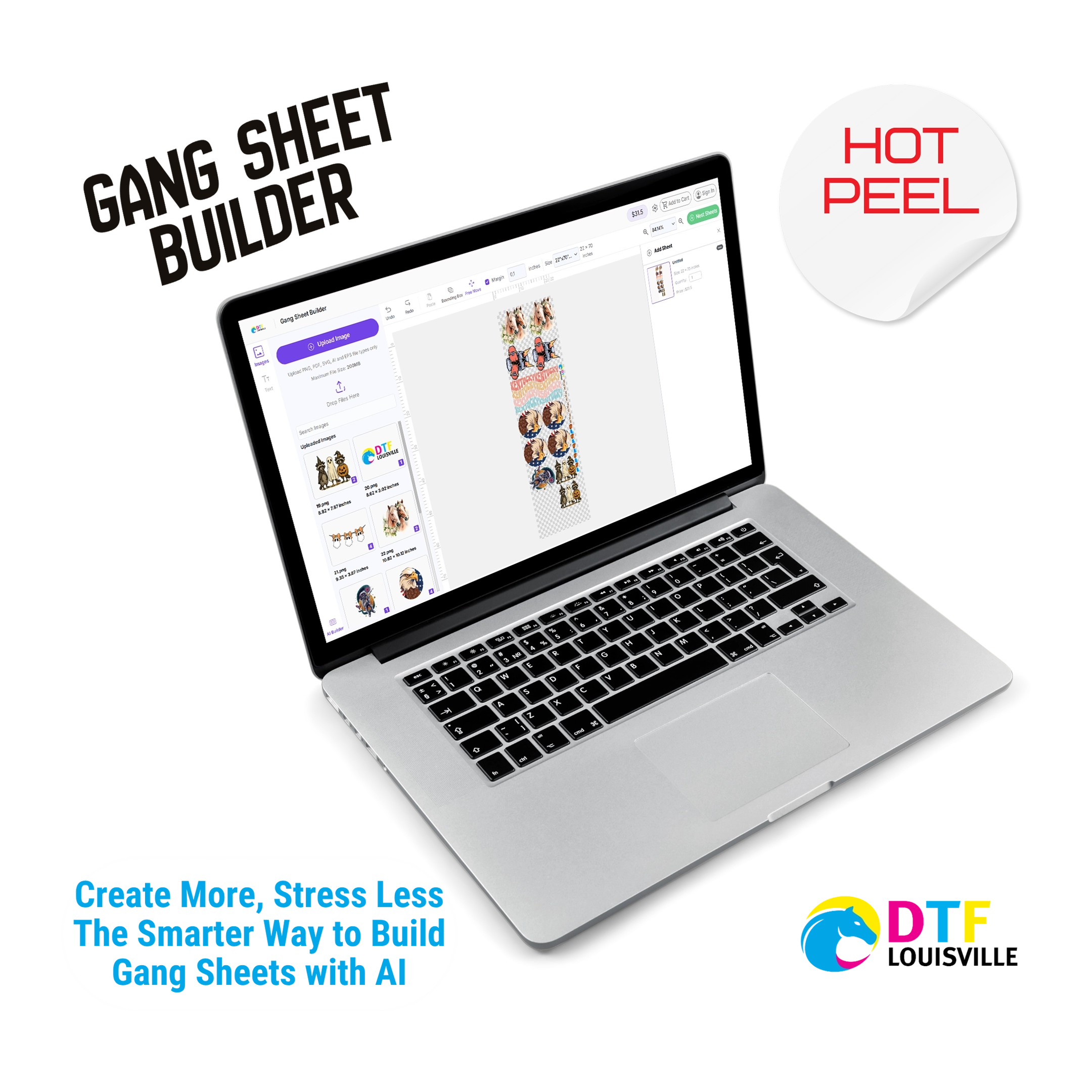
Gang Sheet Builder

Sale priceFrom $3.50Regular price $4.50

Custom Gang Sheet DTF - Upload a Pre-Made Sheet
Sale priceFrom $1.75Regular price $2.25

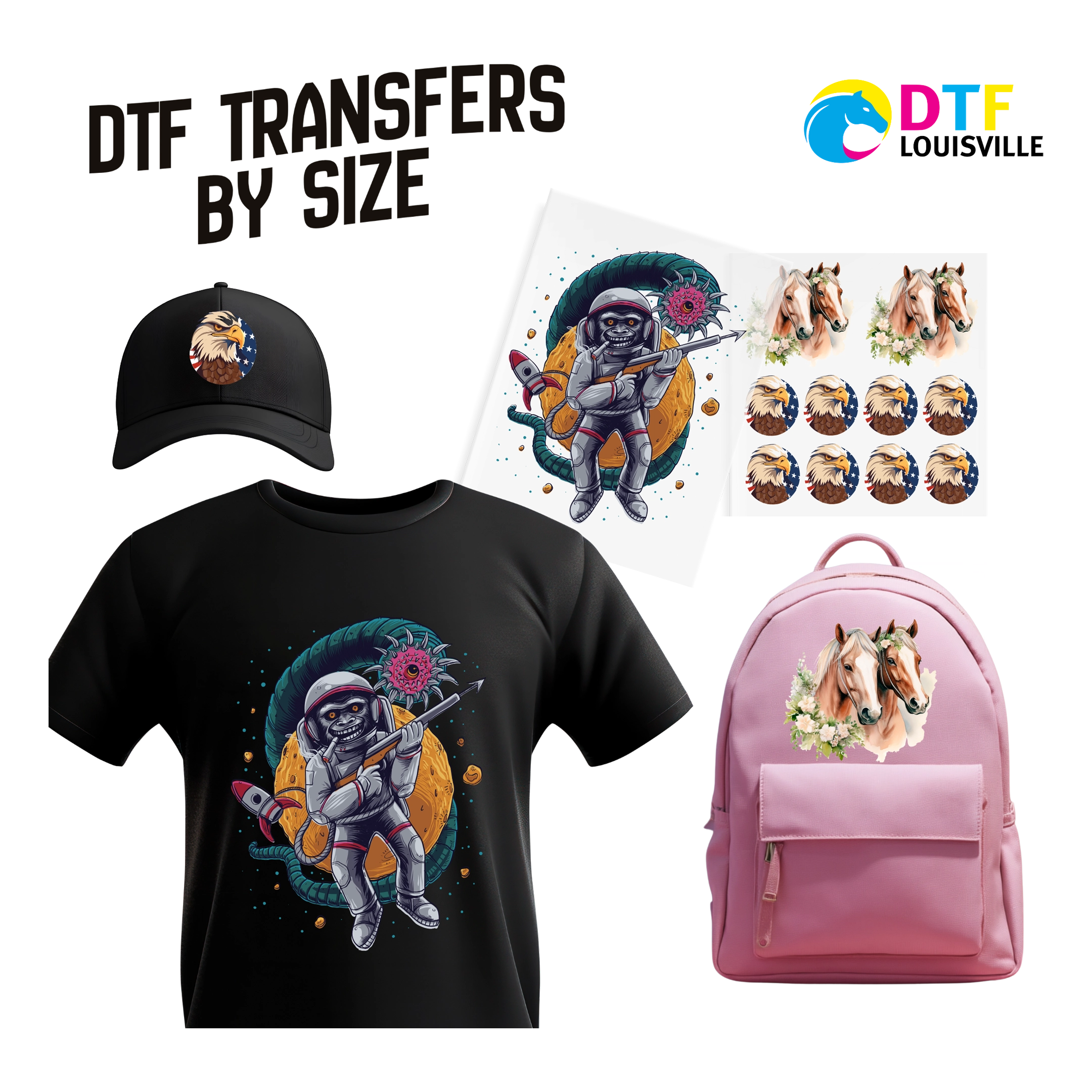
DTF Transfers Custom Image

Sale priceFrom $1.40Regular price $2.80

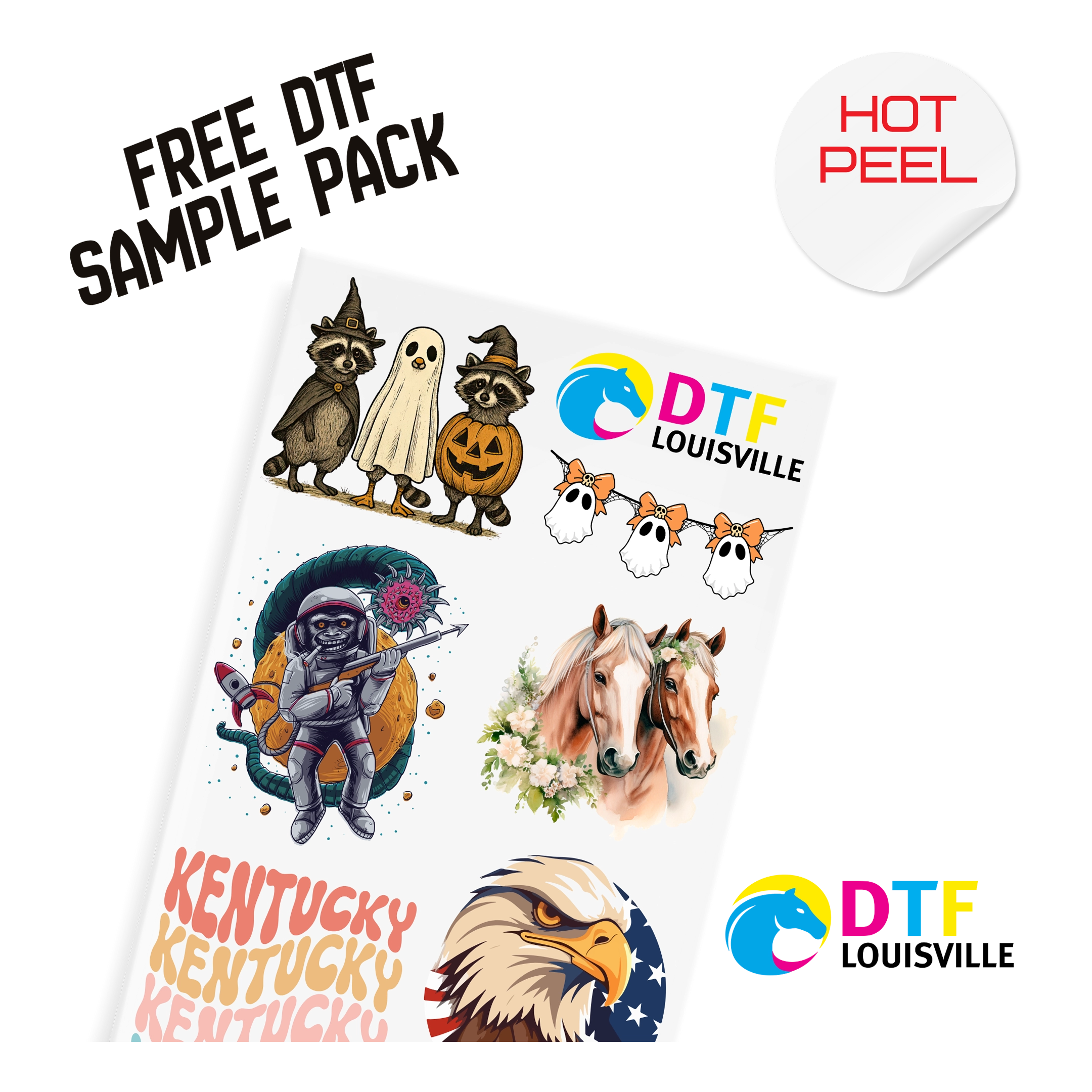
DTF sample pack

Sale price$0.00Regular price $5.00

Description

Commercial-Grade 4th of July DTF Transfers For High-Volume Garment Customization

The operational window for Independence Day apparel fulfillment requires high-throughput decoration methodologies that minimize labor cost per unit while maintaining structural graphic integrity. Standard manual screen printing registration and tedious vinyl weeding introduce severe operational bottlenecks that restrict peak seasonal capacity.

To mitigate these production constraints, digital apparel decorators utilize commercial-grade 4th of July DTF Transfers (Direct-to-Film). This technical process involves jetting specialized pigment inks onto a coated Polyethylene Terephthalate (PET) release liner, applying a thermoplastic polyurethane (TPU) hot-melt powder adhesive, and curing the matrix via infrared heat.

Because the adhesive is integrated directly into the printed ink chemistry, operators eliminate screen burning, emulsifying, and weeding cycles entirely. Consequently, setup time drops to zero minutes, allowing shops to transition instantly from digital file ingestion to physical garment execution.

Technical Performance Matrix and Mechanical Breakdown

Selecting an optimal DTF Transfers method requires an objective analysis of setup times, color reproduction capabilities, and physical mechanical durability. When scaling seasonal production runs, print shops must balance throughput speed against total material costs.

The matrix below illustrates the performance divergence between contemporary decoration systems:

  • DTF Transfers: 0 Minutes Setup | Unlimited Color Capacity (CMYK) | 400% Elongation Rate (High) | 1 Unit Minimum Run Scale
  • Screen Printing: 60-90 Minutes Setup | 1-6 Spot Colors Capacity | 250% Elongation Rate (Medium) | 50 Units Minimum Run Scale
  • Heat Transfer Vinyl: 20-30 Minutes Setup | 1-3 Solid Colors Capacity | 100% Elongation Rate (Low) | 1 Unit Minimum Run Scale
  • Sublimation: 5 Minutes Setup | Unlimited Color Capacity (CMYK) | Variable Elongation Rate | 1 Unit Minimum Run Scale

Film Chemistry And Material Engineering

Our production lines utilize a 100-micron, double-matte, cold-peel PET carrier film. Because a 100-micron thickness provides superior structural rigidity compared to cheaper 75-micron alternatives, the film resists thermal warping, curling, and buckling inside high-temperature conveyor curing ovens.

The double-matte surface treatment establishes a controlled surface tension environment. This specific tension profile prevents dot gain (the unintended spreading of wet ink droplets) and lateral capillary ink migration, ensuring that ultra-fine lines, micro-text, and detailed vector coordinates remain perfectly crisp.

Ink Density And White Underbase Calibration

To achieve true color accuracy on dark fabrics, our systems apply a highly opaque, high-density white ink underbase calibrated at an 80% continuous tint layout. Because dark polyester and dyed cotton fabrics release volatile dye gases when heated, standard white inks often suffer from dye migration (sublimation staining).

The dense 80% white underbase acts as a physical barrier that traps underlying fabric dyes. This prevents red or navy blue shirt colorants from bleeding through the graphic, keeping your finished 4th of July Prints bright and true to color.

  • Layer 1 (Top): CMYK Pigment Ink Layer (Vibrant, high-resolution graphic)
  • Layer 2 (Middle): 80% Opaque White Ink Underbase (Blocks fabric dye migration)
  • Layer 3 (Bottom): TPU Hot-Melt Adhesive Powder (Cross-links with fabric)
  • Substrate (Base): Garment Fabric (Cotton, Polyester, Blends, or Nylon)

Thermal Parameters Profile and Application Calibration

Achieving a commercial-grade permanent mechanical bond between the transfer film and the textile substrate requires precise calibration of three distinct variables: temperature, dwell time, and physical platen pressure. Failure to adhere to these parameters results in incomplete adhesive cross-linking or thermal substrate scorching.

The data parameters below define the exact operational specifications required for applying our 4th of July Iron-On Transfers across various textile categories:

  • 100% Combed Cotton: 300°F (149°C) | 12-15 Seconds | Medium Pressure (50 PSI) | Cold Peel Profile (Ambient)
  • 100% Polyester Mesh: 280°F (138°C) | 10-12 Seconds | Medium Pressure (42 PSI) | Cold Peel Profile (Ambient)
  • Poly-Cotton Blends: 290°F (143°C) | 12-15 Seconds | Medium Pressure (45 PSI) | Cold Peel Profile (Ambient)
  • Heavyweight Fleece: 310°F (154°C) | 15-18 Seconds | Heavy Pressure (60 PSI) | Cold Peel Profile (Ambient)
  • Industrial Nylon: 270°F (132°C) | 8-10 Seconds | Light Pressure (35 PSI) | Cold Peel Profile (Ambient)

The Critical Post-Press Step

Every cold-peel transfer process requires an obligatory secondary post-press execution. Once the PET carrier sheet cools completely to ambient room temperature and is stripped away, the exposed ink layer must be covered with parchment paper or a textured silicone mat and pressed for an additional 5 seconds.

Because this step forces the softened upper ink profile into structural conformity with the underlying weave, it simultaneously eliminates the unnatural plastic tactile feel and lowers the gloss profile to a commercial matte appearance.

Step-By-Step Fulfilling Process For Shop Operators

  1. Substrate Dehydration: Place the apparel blank squarely onto the lower platen of the heat press. Engage the heat element for 3 to 5 seconds. This step drives out ambient moisture trapped within the textile fibers and flattens out any structural creases.
  2. Transfer Alignment: Position the holiday graphic onto the dry substrate with the printed adhesive layer facing down and the clear PET liner facing upward. Utilize physical alignment lasers or transparent grids to ensure precise vertical and horizontal centering.
  3. Primary Heat Application: Engage the upper heating element according to the specified temperature, time, and pressure settings dictated by the garment's fiber content in the specification matrix.
  4. Ambient Thermal Cool-Down: Remove the garment from the press and lay it flat on a cooling table. Allow the film temperature to descend completely to room temperature. Attempting to strip the film while hot will cause adhesive shearing and destroy fine graphic details.
  5. Continuous Low-Angle Film Removal: Grasp an outer edge of the cooled PET liner and pull it back smoothly in a low, continuous motion parallel to the surface of the garment.
  6. Secondary Locking Press: Place a sheet of protective parchment paper over the exposed print. Lock down the heat press platen for a final 5-second cycle to fully fuse the ink edges into the fabric matrix.

Production Efficiency: A Real-World Performance Analysis

An independent custom print facility operating in Columbus, Ohio, received a purchase order for 450 multi-color patriotic t-shirts for an upcoming regional community festival. The contract imposed a strict 72-hour delivery window. The target artwork featured a highly complex, 8-color distressed American flag configuration accompanied by sharp typographic elements.

Initially, the facility evaluated manual screen printing as the primary decoration mechanism. However, an operational analysis revealed substantial bottlenecks:

  • Pre-production setup: Burning 8 distinct screens, mixing custom plastisol ink sets, and calibrating micro-registration on a manual press would consume approximately 8 hours of labor prior to producing the first unit.
  • Financial liability: The labor cost overhead alone would completely erode the net profit margins on a limited 450-piece run.

To solve this production issue, the shop discarded screen printing and ordered our pre-made graphics on continuous film rolls. They deployed a dual-station assembly line using two standard manual swing-away heat presses operated by two employees:

  • Operator A Tasks: Pre-heats Blank Garments ---> Aligns DTF Films on Substrate
  • Operator B Tasks: Executes Thermal Press Cycles ---> Cools and Peels Finished Film Roll

By dividing the labor into distinct tasks—where one worker pre-heated and aligned the films while the second executed the press cycles and peeled the cooled graphics—the shop established a highly efficient workflow.

The dual-press station completed the 450-shirt run in exactly six hours of continuous operating time. By pivoting to this system, the shop eliminated $350 in screen chemistry setup costs, maintained a zero-scrap rate on their premium blanks, and delivered the finished order a full 24 hours ahead of schedule.

Our Curated Holiday Design Collections

Vintage Patriotic And Distressed Heritage Styles

This collection utilizes traditional Americana color schemes, classic military serif fonts, and faded textures. Because these graphics contain built-in distressed gaps, they are ideal for vintage heather tri-blends, charcoal, and cream blanks. The open areas let the fabric breathe, keeping the finished shirt soft and lightweight.

Modern Patriotic Graphic Collections

Engineered with high-contrast vector borders, clean geometric lines, and sharp color boundaries. These graphics are tailored specifically for high-end streetwear lines and modern athleisure wear, providing exceptional visual contrast when pressed onto solid deep black, clean optic white, or rich navy blue fabrics.

Bold Political Statement Graphics

This category focuses on high-impact typography and unmistakable iconic imagery, featuring specialized selections like our Trump DTF Transfers. These layouts use solid ink fields that provide total opacity and crisp contrast on heavy 14-ounce fleece hoodies and thick cotton blanks.

Creative Custom Typography Sets

A versatile selection of stylized holiday phrases, varsity letter arrangements, and script layouts. These options allow shops to quickly add custom family names, regional city titles, or specific event dates directly above or below the main holiday graphics.

Boost Your Holiday Production Throughput

Do not allow manual pre-production setup times, complex color registrations, or tedious vinyl weeding labor to restrict your shop's revenue generation during this high-volume summer peak. Transition your seasonal holiday production to our high-speed, commercial-grade direct-to-film transfers to eliminate order backlogs, slash labor overhead, and deliver retail-ready apparel to your clients.

Explore our comprehensive catalog today to stock your inventory with premium 4th of July DTF Transfers, and optimize your production floor to handle the summer rush with absolute confidence. All orders are packed securely and shipped fast by the team at DTF Louisville.

Frequently Asked Questions

What temp do you press 4th of July DTF Transfers?

Apply these transfers onto standard 100% cotton garments at 290°F to 300°F (143°C to 149°C). For polyester fabrics, lower the press temperature to 275°F to 285°F (135°C to 140°C) to prevent thermal substrate damage.

Can I apply these graphics with a household iron?

We do not recommend using a standard household iron. Because irons cannot maintain accurate temperature uniformity or deliver steady, high-pressure calibration across the entire print area, they frequently lead to premature wash failure.

Do these holiday graphics work on sublimated polyester shirts?

Yes, provided you drop your pressing temperature to 275°F and reduce the dwell time to 10 seconds. This thermal restriction prevents the sublimated dyes inside the fabric from activating and bleeding into the fresh white ink layer.

How long do your prints last in the wash?

Our commercial prints pass rigorous testing for over 50 complete residential laundering cycles before experiencing any mechanical degradation. For maximum lifespan, instruct end consumers to wash garments inside out using cold water.

What is the shipping time for DTF Louisville holiday orders?

We process and ship out all standard holiday print orders within 24 to 48 hours. You can view our current expedited shipping schedules and guaranteed delivery dates right at checkout from DTF Louisville.

Do I need to apply a Teflon sheet over the film?

No, because our PET film sheets are coated with an integrated heat-resistant layer. However, you must always place parchment paper over the exposed ink during the secondary post-press execution to prevent ink sticking.

Can I buy 4th of July Iron-On Transfers in bulk sheets?

Yes, we offer continuous gang sheet options that let you combine multiple graphics onto a single continuous roll. This approach maximizes your material layout efficiency and lowers your per-unit decoration costs.

What causes a design to lift off after pressing?

Lifting indicates incomplete adhesive curing, typically caused by inadequate pressure calibration or cold spots across the heating element. Verify your platen's thermal consistency using an infrared pyrometer.

Are these premium transfers safe for use on children's apparel?

Yes, all inks and hot-melt polyurethane adhesive powders are non-toxic and eco-friendly. They pass strict safety testing, making them safe for children's shirts and infant apparel.

Can I return unused holiday prints after the 4th of July?

Because seasonal collections are custom-printed to order for each customer, we cannot accept returns on unused holiday inventory. We recommend balancing your film orders against your confirmed customer pre-orders.

This Technical Guide Was Prepared By Our Ready To Press DTF Transfer Designs Team

Our technical support team brings decades of hands-on experience in commercial printing, color separation, and polymer adhesive engineering to every product we make. We spend our days running production floor tests, testing wash cycles on new garment blanks, and fine-tuning ink curves to ensure our transfers run perfectly on your equipment. We build products that help independent print shops, e-commerce brands, and custom apparel decorators maximize their output and protect their profit margins.