



Who Uses DTF Louisville Transfers Across Kentucky
Louisville Spirit Wear and Booster Apparel Shops
Louisville spirit wear companies regularly order bulk DTF transfers for tournament weekends, district athletics, and booster apparel programs tied to compressed production schedules.
Friday afternoon rush calls happen constantly here.
Lexington Screen Printers Adding DTF Capacity
Lexington screen printers adding DTF capacity often use custom DTF transfers ready to press for overflow production during seasonal peaks and university merchandise launches.
Most are measuring repeatability. Not packaging presentation.
Bowling Green Motorsports and Event Merch Operators
Bowling Green motorsports and event merch suppliers regularly use DTF transfers gang sheet production for sponsor graphics and oversized hoodie runs tied to race weekends and festival schedules.
Owensboro Promotional Product Companies
Owensboro promotional businesses often combine DTF heat transfers with sponsor branding projects tied to local corporate launches and fundraising campaigns.
Covington Fulfillment and Multi-Location Apparel Programs
Covington fulfillment operators focus heavily on reorder consistency across multiple garment vendors and fulfillment schedules. Production accountability matters more there than marketing language.
Richmond Startup Clothing Brands
Richmond startup apparel companies usually use ready to press DTF transfers for oversized graphics and fleece garment testing before committing to larger inventory production.
Oversized graphics expose weak adhesive bonding fast.
Production Numbers That Actually Mean Something
312,000+ Transfers Processed Across Active Customer Runs
Production accountability means very little if the shop only runs small sample volume. DTF Louisville processed more than 312,000 DTF shirt transfers during the last 90 days across school athletics, corporate uniforms, event merchandise, and contract production overflow while maintaining active batch documentation tied directly to shipment records.
Anybody can make one clean sample. Repeat production is the real test.
Standard Orders Ship in 48 Hours Without Skipping Verification
Fast DTF transfers still move through the same verification path as longer scheduled jobs. Active batches continue through adhesive bond integrity inspection, press simulation testing, and cold peel release integrity review before shipment approval.
We've had Louisville spirit wear vendors call late Friday needing Monday event delivery. The accelerated production schedule exists because requests like that aren't rare in this market.
Fabric Testing Happens Before Orders Leave Production
Every batch gets tested against cotton, polyester, and blended fleece before release. Production technicians review thermal bonding threshold response, edge retention, adhesive behavior, and second press stabilization using parchment paper for 3–5 seconds after peel.
The second press step is the one most decorators skip when deadlines tighten up. In our experience, it's also the step that decides whether a transfer holds through a season of washes or starts lifting after three.
Gang Sheet Yield Rate Gets Reviewed Before Output Starts
DTF transfers gang sheet production receives spacing, orientation, and bleed margin review before print output begins. Gang sheet layout gets treated like a logistics problem when it's actually a yield problem — the decisions around spacing and trim clearance affect how many usable transfers come off the sheet.
And that math compounds fast on large orders.
Packaging Decisions Affect Press Performance Too
Bulk DTF transfers leave production in flat-stack packaging rather than rolled tubes. Rolled storage creates curl memory in the film substrate release layer, which affects alignment during pressing after transit through Kentucky humidity swings and warehouse storage.
A transfer should press clean immediately. Not after somebody fights curled film for half an hour.
Every Batch Runs Through First Pull Promise™ Verification
Every shipment includes First Pull Promise™ pre-shipment press simulation and inspection tied directly to the active production batch. One transfer from each gang sheet group is pressed in-house at documented press calibration specs, adhesive edges are checked under magnification, and cold peel release integrity is confirmed before packaging begins.
The First Pull Promise™ wasn't built as a slogan. It came from orders we saw fail during first application when one internal test pull would've caught the problem before shipment.
Order DTF Transfers — Verified, Same Production Standards as Every Bulk Order, Ships Within 48 Hours.
Inside Our Verification Workflow
Louisville's production history comes from industries where getting the first run right actually mattered — manufacturing, machining, bourbon production. The first pull out of the process had to prove itself before anybody trusted the rest of the batch. That's exactly how this verification process works.
After that connection, the process becomes straightforward shop discipline.
In-House Press Simulation Before Shipment
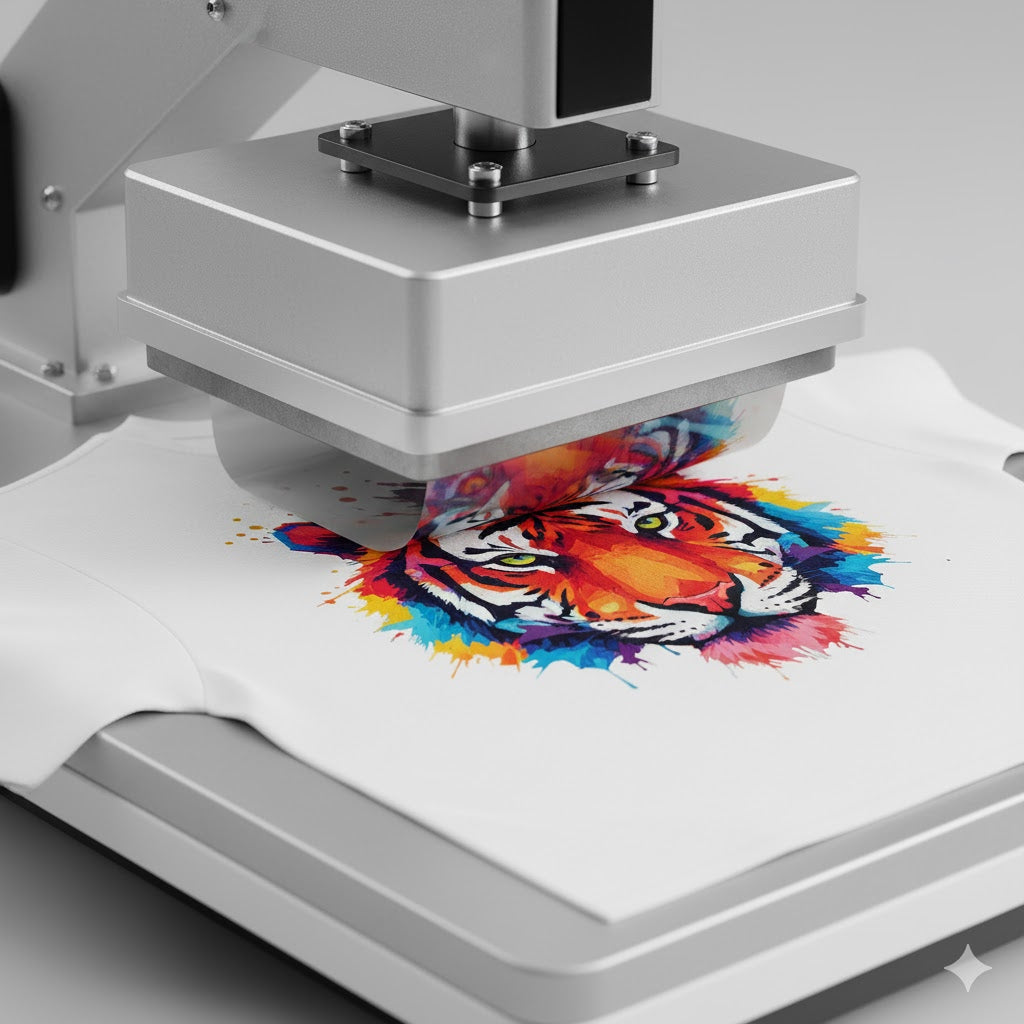
One transfer from every active gang sheet batch is pressed in-house before shipment release. Production technicians apply transfers at 320°F for 10–15 seconds using calibrated pressure settings tied directly to the batch card confirmation included with the shipment.
Testing happens on actual garment samples. Cotton, fleece, or polyester depending on the production batch profile.
Adhesive Edge Inspection Under Magnification
After press simulation, transfer edges and adhesive layers move through magnified inspection review. Production technicians check adhesive bond integrity, powder distribution consistency, edge stability, and cure behavior after baking before approving the batch.
The difference shows up when oversized graphics hit heavier fleece garments. Weak edge bonding exposes itself there first almost every time.
Cold Peel Release Integrity Confirmation
Cold peel release integrity gets tested on every active batch before packaging starts. Transfers are peeled after cooling stabilization to confirm clean film substrate release without ghost edges, fiber pull, or adhesive residue during separation.
A transfer that fails release testing doesn't ship. Simple as that.
Batch Card Documentation Included With Every Order
Every order includes a printed batch card listing test date, garment type used during press simulation, and press calibration spec tied directly to the active production batch.
No anonymous settings. No guessing after delivery.
Use this text to share information about your brand with your customers. Describe a product, share announcements, or welcome customers to your store.
How DTF Louisville Runs Production From File to Shipment
Artwork Review and Ink Deposit Sequence Setup
Custom DTF transfers ready to press begin with artwork inspection tied directly to garment behavior. Production technicians review edge density, underbase alignment, saturation balance, and micro-detail clarity before RIP processing begins.
What this means in practice: weak artwork doesn't quietly move into production just because the file technically loads.
And yes, we've stopped jobs that would've printed poorly even though the graphics looked acceptable on screen.
Film Output and Powder Application
DTF heat transfers run through controlled ink deposit sequence settings tied directly to garment category and graphic density. White underbase layering happens before CMYK placement to support opacity consistency across darker garments.
Adhesive powder application follows immediately after output. Uneven powder spread creates inconsistent cure behavior during pressing and wash testing later.
Cure Window Monitoring During Production
Production batches remain under monitored cure windows tied directly to adhesive bond integrity and cold peel release integrity before shipment approval begins.
This is where rushed production usually exposes itself.
The short answer is that under-cured transfers may look fine in the bag and still fail during first application.
Batch Verification Before Packaging
Before packaging starts, one transfer from every gang sheet group gets pressed in-house under calibrated conditions. Fabric type, press calibration spec, and test date are documented directly onto the included batch card confirmation.
That extra step catches more problems than most customers realize.
Simulated Garment Testing and Stabilization
DTF transfers ready to press move through simulated garment testing before shipment release. Production technicians evaluate edge retention, cold peel response, and thermal bonding threshold stability across cotton, polyester, fleece, and blended materials.
Second press evaluation follows using parchment paper for 3–5 seconds after peel release.
Shipment Prep and Flat-Stack Packaging
Flat-stack packaging helps reduce curl memory during shipping and warehouse storage. Rolled film edges create alignment problems during pressing — especially after humidity swings through Kentucky and Southern Indiana transit routes.
Anybody who has pressed curled film already knows how frustrating that gets.

What Customers Notice After Pressing
Wash Cycle Retention That Holds Past Initial Wear
DTF shirt transfers from DTF Louisville maintain wash cycle retention through 50+ wash cycles when pressed under documented thermal bonding thresholds and stabilized with a second press cycle after peel release.
Weak cure windows usually fail before wash fifteen.
Stable Bonding at Production Press Specs
Ready to press DTF transfers bond at thermal bonding threshold of 320°F for 10–15 seconds using calibrated pressure settings tied directly to production batch records.
Different garments still need pressure adjustments. That's just real production work.
Fabric Compatibility Across Commercial Apparel
DTF transfers wholesale production batches are tested on cotton, polyester, fleece, tri-blends, nylon, and performance materials before shipment release. Synthetic fabrics react differently around seams and stretch zones, especially under oversized graphics.
Fleece still exposes production drift faster than anything else we run.
Cleaner Edge Definition During Peel
Cold peel release integrity affects edge sharpness more than most buyers realize. Transfers peeled too early during testing often show ghost outlines or minor ink pullback during inspection.
In practice, that looks like inconsistent typography edges after pressing.
Better Gang Sheet Yield Rate on Large Orders
DTF transfers gang sheet production receives spacing and orientation review before output begins. Proper grouping helps reduce wasted substrate area while maintaining trim clearance between graphics.
Yield math compounds quickly on larger contract runs.
Reorder Consistency Across Production Cycles
Buy DTF transfers from enough suppliers and eventually you'll notice reorder inconsistency. DTF Louisville stores prior press calibration specs and ink deposit sequence settings tied directly to active customer jobs to support repeat production consistency across future runs.
A reorder should press like the original batch did. That's the expectation.
Production Example From a Real Event Run
A Bowling Green-based event merchandise company brought DTF Louisville an order requiring oversized fleece hoodie graphics before a regional motorsports weekend. The job involved 5,400 transfers across heavyweight cotton-poly garments, metallic accent layering, and a four-day deadline tied to vendor setup schedules.
Through First Pull Promise™ verification, in-house press simulation testing, and documented batch card confirmation tied to every active production group, we delivered the full order within 46 hours while maintaining measured edge retention through 32 accelerated wash cycles. Installation rejection stayed below 1.9% during event production.
What Separates Verified Production From Guesswork
Preset Production Without Verification
Some suppliers run DTF transfers wholesale orders through preset workflows without active press simulation testing or adhesive inspection review. Transfers may appear acceptable during packaging, but nobody actually confirmed first-press performance under production conditions.
The problem usually shows up after delivery.
Active Batch Verification Before Shipment
DTF Louisville runs every active batch through press simulation testing, adhesive inspection, cold peel release confirmation, and documented batch card verification before shipment release.
A failed transfer in-house costs less than a failed transfer on a customer's production floor. We'd rather catch it here.
Frequently asked Questions
Q1: What is gang sheet yield review at DTF Louisville?
A: At DTF Louisville, layout spacing and alignment are reviewed before printing to maximize usable transfers, reduce waste, and improve production efficiency.
Q2: Do transfers require second press?
A: A second press using parchment paper for three to five seconds is recommended to strengthen adhesion and improve long term wash durability.
Q3: What is cold peel testing?
A: Transfers are cooled before peeling to confirm clean release, prevent ghosting, and ensure edges remain stable during application and finishing stages.
Q4: How are orders packaged for shipping?
A: All transfers are packed flat stacked instead of rolled to prevent curling, improve alignment, and maintain consistent press performance after delivery.
Q5: Do you test wash durability?
A: Yes, transfers undergo accelerated wash testing to evaluate adhesion strength, color stability, and long term performance after repeated laundering cycles.
Q6: Who uses these transfers?
A: Apparel brands, screen printers, and fulfillment shops use them for consistent production, fast turnaround jobs, and reliable large scale garment decoration.
Q7: What is adhesive inspection?
A: Adhesive layers are checked for even powder distribution, edge bonding strength, and clean release behavior under magnification before shipment approval.
Q8: What is production turnaround time at DTF Louisville?
A: Standard orders at DTF Louisville typically ship within twenty four to forty eight hours while still completing full testing and quality control checks.
Q9: Are different fabrics tested?
A: Yes, at DTF Louisville transfers are tested on cotton, polyester, fleece, and blended garments to ensure consistent bonding across materials.
Q10: What ensures consistent print quality?
A: At DTF Louisville each batch goes through press testing, inspection, and documented checks to confirm stable adhesion and edge quality before shipment.
Regional Production Coverage Across Kentucky and Southern Indiana
DTF Louisville supports businesses throughout Louisville, Lexington, Bowling Green, Owensboro, Covington, Richmond, and Southern Indiana with documented DTF Transfers tied directly to active production records. Louisville sportswear vendors regularly request fleece hoodie testing before tournament schedules begin, while Lexington print shops often use fast DTF transfers for overflow university merchandise production during seasonal rush periods.
Bowling Green event operators typically prioritize gang sheet yield rate during motorsports weekends. Owensboro promotional suppliers focus on reorder consistency across multiple garment categories, and Covington fulfillment operations often combine DTF transfers wholesale orders with multi-location shipping schedules tied to corporate apparel launches.
Different production environments. Same expectation before shipment: the transfer should already prove itself before the customer presses it.
7,500+ Louisville Businesses Run on DTF Louisville Transfers — Be a Part of it Now.