


Key Highlights
- Learn the fundamental principles of 3D UV DTF TPU printing which operates differently from traditional printing techniques.
- Beginner learners require knowledge about essential equipment and films and adhesives and UV curing requirements.
- The TPU workflow provides a straightforward procedure which produces prints that maintain durability and display vibrant colors and show flexible properties.
- Common beginner errors result from making mistakes in curing processes and misaligning their work and failing to prepare surfaces correctly.
- You can boost print quality while developing a successful custom printing enterprise with TPU, creating a range of products.
TPU UV DTF printing has emerged as a leading method for custom printing because it delivers three essential benefits: durable results, flexible design options, and exceptional visual output. Beginners are often drawn to it because it does not require complex screen printing setups or expensive industrial machines. The system uses UV-curable inks together with special transfer films to produce raised vibrant designs which can be applied to various surface materials.
The printing method enables users to print designs on a film which they can instantly cure through UV light before transferring the designs onto various products, including bottles, phone cases, acrylic boards, and metal surfaces. The printing process gains flexibility through TPU (thermoplastic polyurethane) because it enables the final print to resist peeling and cracking and fading damage.
The process may appear difficult for beginners, but it is super simple. This guide provides complete steps you need for starting your small customization business or your creative printing exploration with TPU.
Understanding 3D UV DTF TPU Printing Basics
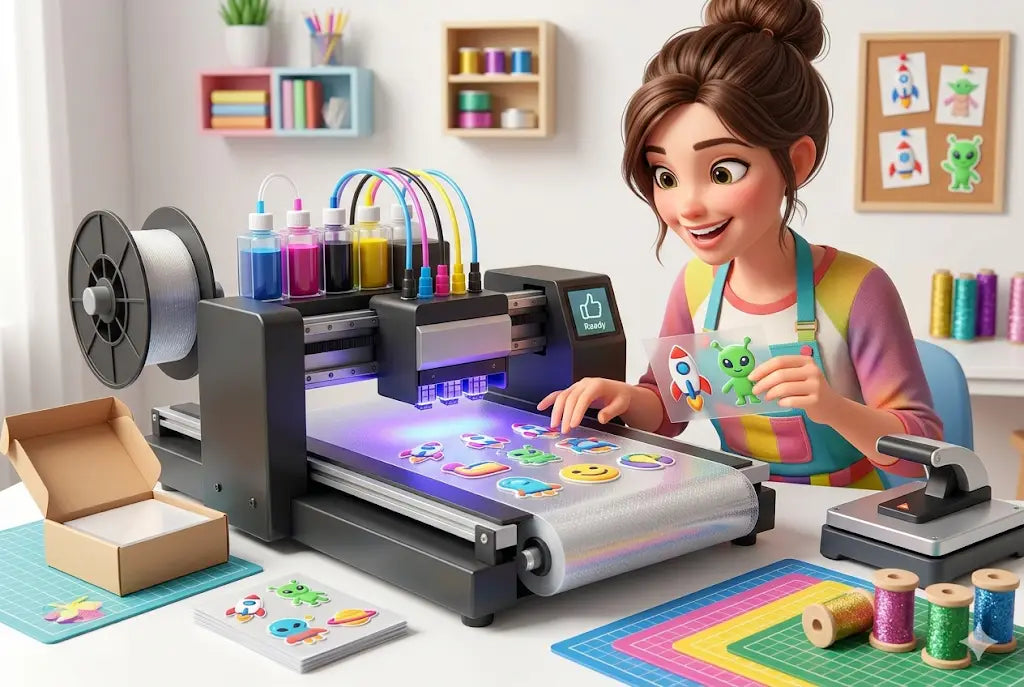
3D UV DTF TPU printing is an advanced type of printing process that uses UV printing technology and flexible TPU transfer films to produce high-quality and durable designs. In this printing process, designs are first printed on a specialized film through the use of UV inks, and then the ink is immediately cured by the action of ultraviolet rays.
This results in a slightly raised and rough texture of the 3D UV DTF stickers, making them look highly three-dimensional. The flexibility provided by the TPU film helps in ensuring that the printed designs remain crack-resistant, peel-resistant, and fade-resistant for a very long period of time.
Essential Equipment and Materials Needed
The essential equipment for 3D UV DTF transfers includes a UV DTF printer which operates with special UV inks that cure instantly when exposed to UV light. Next, the process requires a TPU-based transfer film which exists as two separate films named A and B.
The printed design needs to be stored on the A film while the B film functions as both final transfer material and protective element. The process then requires a 3D UV DTF technology or a printer with integrated UV lamps to solidify the ink. The process requires high-quality UV inks and maintenance cleaning solutions and a laminating roller which enables smooth application.
A dust-free workspace is highly recommended because dust particles can affect adhesion and print clarity. The basic design software Adobe Illustrator and CorelDRAW should be purchased by beginners to create or modify their artwork.
Step-by-Step Beginner Printing Process
The UV DTF TPU printing process follows a structured workflow that beginners can easily learn with practice. First, you need to design your project through graphic software while maintaining high resolution files to achieve optimal print results.
- The operator should load TPU A film into the UV DTF printer before starting the design printing process which uses UV ink. The printer uses UV light during its operation to instantly cure the ink which results in a raised texture that appears on the film surface.
- After completing the printing process you can choose to use either adhesive or laminating material based on your system requirements. The operator should carefully position B film over the printed design area before applying pressure to achieve proper sealing.
- Next, cut the design which needs to be removed from the backing film. You need to press the item onto their selected surface until it reaches complete stickiness. The result produces a 3D print which combines durability with flexibility and waterproof capabilities for immediate use.
Conclusion
The 3D TPU DTF printing technology provides strong capabilities to beginners while enabling users to create customized products for various business purposes. The combination of proper equipment selection and process knowledge together with mistake prevention enables you to create high-quality prints that maintain their integrity over time. Start small, practice regularly, and gradually expand your skills to achieve professional results and grow your printing journey.
Start your UV DTF printing journey today and turn creativity into income. check out UV DTF sample pack and UV DTF Gang Sheet Builder.
FAQs
What is 3D UV DTF TPU printing for?
The 3D DTF printing process is for decorating such items as bottles, cell phones cases, metals, acrylic boards, etc. This technology produces strong, waterproof, and flexible prints which are easily transferred without the need for heat pressing or specialized equipment.
Is 3D UV DTF TPU printing easy for beginners to try?
Yes, since the entire process consists of only three actions – printing, curing, and transferring. Any beginner will be able to print professional prints without requiring additional skills or equipment.
What equipment do I need for UV DTF printing?
For uv printing stickers, you will require a DTF printer, TPU A and B sheets, inks, laminators, and other materials required for printing. All these components are needed to print effectively.
How much time does UV DTF TPU printing take?
Printing is a quick process due to instant curing of UV ink. The time required for printing and curing one print design may take only several minutes, while overall production time depends on many factors.
To which surfaces can the prints of UV DTF TPU be glued?
The textured UV DTF printing may stick to glass, plastic, metal, wood, and acrylic surfaces. They are very versatile and meant to attach without the necessity of heating or gluing.
Why do my UV DTF prints peel off?
The cause of peeling might include improper surface cleaning, poor curing process, or bad quality of the material. Proper cleaning, UV exposure, and film alignment help to avoid any peeling issues.
Do I require specific software for UV DTF printing?
Yes, for designing images you need software, such as Adobe Illustrator or CorelDRAW. Creating high-quality images plays an important role since they have an impact on print quality.
Is UV DTF TPU waterproof?
Yes, DTF transfer printing creates prints that are waterproof after a proper curing process. This technology includes using water-resistant UV ink and film.
Am I able to open a business with UV DTF printing technology?
Yes, most individuals operate small-scale enterprises based on the UV DTF printing process. The process is affordable and in great demand when it comes to customized items. You are guaranteed profits if you market well and produce quality prints.
What is the maintenance method for a UV DTF printer?
Proper cleaning of the print head, regular monitoring of UV lamps, and use of good inks are important in keeping your machine in perfect condition. We recommend that you follow manufacturer’s guidelines for optimal results.
Share:
8 Crucial DTF Printing Storage Tips for Small Apparel Brands
A Quick Guide to DTF Transfers and DTF Printing for Apparel Brands