


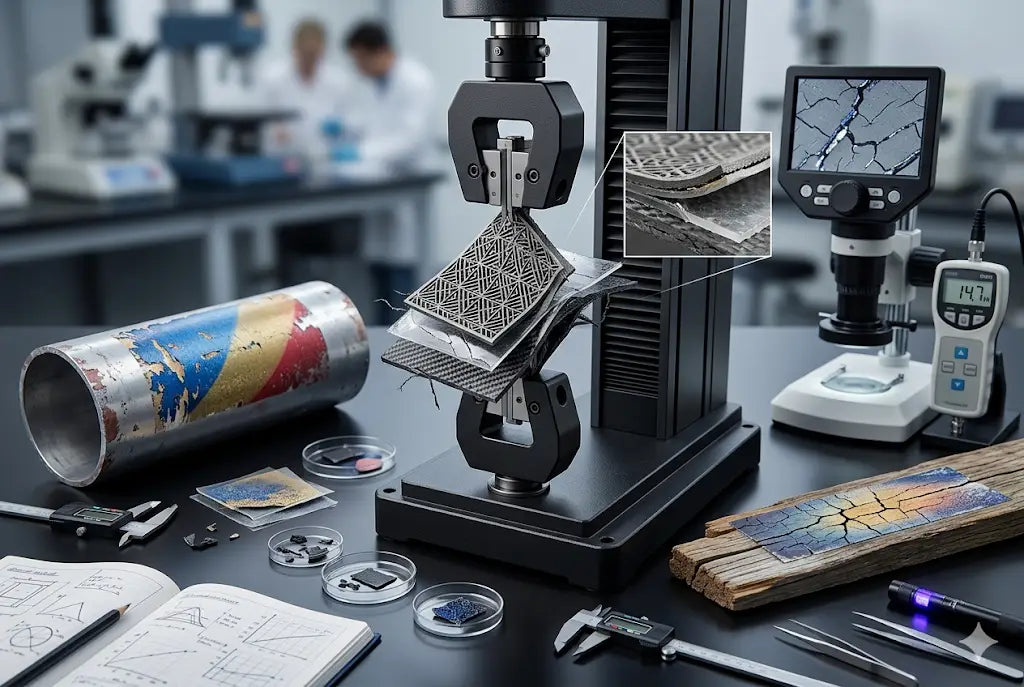
3D UV DTF Printing is becoming popular in 2026 due to its durability and ease of use. However, durability involves more than retaining visual appeal; it requires being abrasion-resistant, moisture-resistant, heat-resistant, and bend-resistant. Before you start using this printing solution for packaging, you need to make sure that it can truly endure harsh handling conditions during transportation.
This technical review investigates the structural make-up, adhesion, and environmental performance of 3D UV DTF prints to analyze whether they can stand the tough conditions.
1. Material Composition and Structural Integrity
Durability of TPU UV DTF printing can only be understood by looking into the interaction between layers at a microscopic level, along with how bonding takes effect to ensure stability in the face of physical stresses during transportation and handling.
Composition of Polymer Layers
The base layer is made up of flexible polymer compounds which are used for holding high resolution pigment systems but are also elastic enough to allow the decorative layers some leeway to be able to stretch a little without breaking.
Behavior During Application of Pressure
The TPU layer acts as a buffer for even distribution of pressure on its surface, thus eliminating local cracking. This makes it suitable for packaging materials that must go through stacking, squeezing, and handling during logistics.
UV-Cured Adhesion System
Scratch resistant UV DTF improves the adhesion of print layers and transfer films by promoting fast cross-linking reactions among molecules. The resulting chemical change makes the surface hard yet flexible enough for packaging applications.
Stability of Molecular Bonds
The molecular structure forms robust covalent bonds upon UV irradiation, guaranteeing that the printed components stay bonded despite the friction, moisture, and temperature changes in the storage environment.
Start printing UV designs with our UV Gang Sheet Builder to test durability of UV printing.
2. Resistance to Environmental Exposure
The longevity of raised UV DTF printing is determined significantly by the reaction of packaging material to external environmental factors like humidity, thermal changes, and ultraviolet rays throughout various product life cycle phases.
Humidity Resistance and Moisture Tolerance
Materials used for packaging usually encounter humid weather conditions during shipment and storage, particularly in tropical locations. High-performance transfer coatings in UV are designed to be impervious to water uptake and retain their surface transparency.
Surface Protection Shield
A protective layer creates an impenetrable shield that safeguards against water intrusion, thus avoiding issues like blistering, flaking, or degradation of color quality.
Temperature Variation Performance
Packaging is usually exposed to drastic temperatures when being shipped on different paths, such as cold chain storage and hot temperatures that affect structural strength. Because TPU material is elastic in nature, it can expand and contract without affecting the print quality.
3. Mechanical Durability and Wear Resistance
Physical endurance is an essential criterion for any packing that is subject to constant friction, stacking, and interaction with the environment.
Scratch and Wear Resistance
The TPU has a surface ability to resist wear when subjected to friction due to motion, touch, or stacking.
Flexibility Under Repeated Bending
The TPU packaging material is able to keep its structure together when placed on a flexible container that bends and deforms during use and transport cycles.
Resistance to Fatigue
The elastic polymer structures will keep their adhesive strength, preventing them from separating or cracking in areas where stress occurs in curved packaging structures.
Conclusion
Although no packaging material is truly everlasting, TPU innovation brings much higher levels of performance when compared to traditional labeling techniques. For businesses looking for durable packaging design options, using this technology might become a cost saver for both small and large businesses.
We have a range of UV DTF Printing solutions at DTF Louisville. Check out what works best for your business!
FAQs
What makes UV transfer packaging durable?
Factors like material structure, effectiveness of UV curing, adhesive strength, and resistance qualities all contribute to durability. The strong polymer bonds and protective films greatly help the stability of the packaging design.
How can TPU strengthen packaging through printing?
TPU increases the ability of the printing layer to deform without breaking or forming cracks on surfaces that aren't flat. This material is capable of evenly distributing mechanical stress, thus increasing strength when bending and compressing the packaging.
Does UV curing make packaging more resistant to scratching?
UV curing greatly helps achieve stronger surface hardness by building rigid molecular structures. This means that the surface becomes more durable in terms of being scratched by outside influences, resulting in clear visuals even under constant handling.
Will the high levels of humidity affect UV DTF printed packaging?
While high levels of humidity can adversely affect materials not properly protected, modern solutions feature moisture-proof layers, which decrease the amount of water permeating through. The use of such barriers prevents any bubbling, flaking off or distortions in the print.
Is 3D UV DTF durable?
The durability will depend on the environmental conditions in which the print is stored, the way it is handled, and the quality of materials. Provided that the print is exposed to regular wear and tear of commercial use, it may last for many years to come.
Is this kind of printing suitable for flexible packaging?
Yes, this printing technology performs well on flexible materials used for packaging. The TPU film is highly flexible and will not crack, peel, or deteriorate when stretched or flexed during shipping or even while in use.
Does temperature impact the print's lifespan?
Extremes may affect materials, but polymers have been engineered to withstand cycles of expanding and contracting without causing peeling or distortion. The risk of peeling or damage is minimized, and the system operates optimally regardless of whether it's kept in freezing storage or heated during shipping.
Which businesses will gain the most from the durability of TPU UV DTF?
Cosmetics, electronics, beverages, luxury items, and skin care businesses will benefit the most because they depend on powerful branding. Industries that rely on packaging that retains its aesthetic appeal and durability through distribution and retail displays will benefit greatly.
Do long lasting UV DTF stickers fade over time?
No printed material remains intact forever, so yes this material can fade or crack over prolonged use but mostly it retains its natural state if maintained properly. It may lose its quality only after rigorous use over a long time period.
How does UV DTF compare with conventional labelling?
Raised UV DTF printing offers much better overall quality, adhesion, and color vibrancy than conventional prints. It is perfect for sports apparel brands and school uniforms where apparel goes through rigorous use.
Share:
How to Start a DTF Print Business with Less Than 1K
How to Use Custom UV DTF Transfers for Branding with QR Rewards in 3 Simple Steps